Health and Safety Policy for Landscapers Notting Hill
 Health and safety is central to every landscaping project, from small garden refreshes to larger outdoor transformations. For landscapers in Notting Hill, a clear policy helps reduce risk, protect workers, and keep clients’ properties secure and tidy. Whether the job involves pruning, paving, rubbish removal, or routine maintenance, the aim is to carry out each task with care, control, and professionalism.
This policy applies to all employees, subcontractors, and anyone working on behalf of the company within our service area. It covers site preparation, lifting and carrying, use of tools and machinery, handling waste, and general conduct on domestic and commercial premises. As a landscaping company serving local properties, we recognise that every site presents different hazards and requires a sensible, proportionate approach.
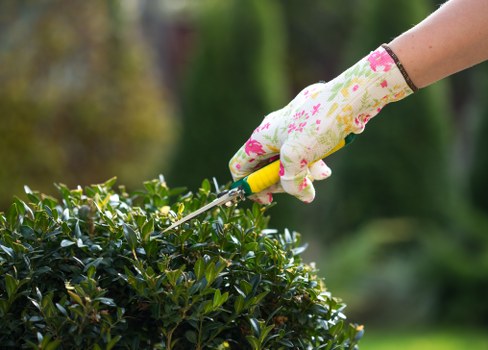 Before work begins, a basic site assessment will be carried out to identify any obvious risks. These may include uneven ground, slippery surfaces, hidden pipes, overhead obstructions, poor access, pets, children, or parked vehicles. Landscapers Notting Hill must take reasonable steps to secure the area, communicate hazards clearly, and adjust the work method where needed. If conditions become unsafe, work will pause until the issue is addressed.
All staff are expected to wear suitable personal protective equipment, including gloves, sturdy footwear, eye protection, hearing protection where required, and high-visibility clothing if working near traffic or shared access routes. PPE must be kept in good condition and used correctly. Tools and machinery should only be operated by trained personnel, and equipment must be inspected before use to ensure it is safe and fit for purpose.
Manual handling is a major consideration in landscaping work. Soil bags, paving slabs, waste sacks, branches, and garden furniture can all create strain if lifted incorrectly. Team members should use safe lifting techniques, share heavy loads, and use trolleys, barrows, or other aids whenever practical. Landscape safety depends on planning movements carefully, avoiding rushed lifting, and asking for support when an item is too heavy or awkward.
 Working with cutting tools, grinders, mowers, hedge trimmers, and powered machinery requires particular attention. Operators must follow manufacturer instructions, check guards and cables, and keep bystanders at a safe distance. Fuel, batteries, and sharp tools should be stored securely when not in use. Any defect, near miss, or incident must be reported promptly so that corrective action can be taken without delay.
Rubbish removal and green waste handling are part of many landscaping jobs, and they must be managed responsibly. Waste should be sorted where possible, with recyclable materials separated from general rubbish and organic material handled appropriately. Bags, rubble, and cuttings must not block pathways, exits, or driveways. A tidy worksite reduces trip hazards and supports efficient collection, especially where properties have limited access or shared entrances.
Our approach to garden waste removal and general rubbish clearance is designed to keep the site orderly throughout the project, not just at the end. Waste skips, bags, and loading areas should be positioned sensibly to minimise obstruction and prevent accidental damage to lawns, walls, fences, or paving. If hazardous materials are discovered, such as sharp metal, broken glass, or suspect chemicals, they will be isolated and handled in line with appropriate disposal procedures.
We also recognise the importance of protecting the public, neighbours, and other trades. Noise, dust, and debris should be kept to a minimum wherever possible. Work areas should be left secure during breaks and at the end of each day. When projects involve front gardens, shared access, or street-facing work, extra care must be taken to prevent items from falling, scattering, or creating a nuisance.
 Environmental responsibility is linked to safety and good working practice. Fuel spills, chemical leaks, and improper disposal can create risks to people and property. Products such as fertilisers, weed control agents, and cleaning materials must be used according to instructions and stored safely. Empty containers and leftover materials should be removed from the site and disposed of through approved waste routes.
Training and supervision are essential parts of this policy. New workers should be shown safe systems of work before starting tasks independently, and all staff should receive refresher instruction when equipment, methods, or site conditions change. A landscaper in Notting Hill must understand how to recognise hazards early, work within limits, and stop work if unsafe behaviour or conditions are observed.
Any accident, injury, near miss, or property damage must be recorded and reviewed. The purpose of reporting is not only compliance, but improvement. By learning from incidents, we can refine procedures, strengthen supervision, and reduce the likelihood of repeat problems. Health and safety performance should be checked regularly so that standards remain consistent across all jobs, from routine maintenance to full garden clearance.
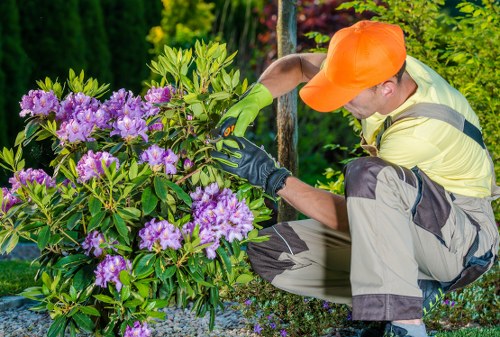 This policy is supported by a commitment to continuous improvement and a strong safety culture. Everyone involved in the work is expected to act responsibly, look out for one another, and keep the site orderly. Landscapers must take pride in working carefully, especially when carrying out rubbish removal, handling tools, or moving materials through occupied premises.
By following these principles, our team can deliver reliable landscaping services while reducing risk to workers, clients, and visitors. A well-managed site is safer, cleaner, and more efficient. Safe working practices are not an optional extra; they are an essential part of professional landscaping and an important part of every project we undertake.

